
Are you prepared to command large-scale multi-camera television studio floors, direct feature-length narrative screens, and navigate high-value international broadcast contracts? The elite Diploma in Film Production at the Music and Film Academy is a definitive, 2-year professional track engineered exclusively for experienced content creators, independent videographers, and technical crew members who want to lead the regional creative economy. Located at our central Nairobi CBD campus inside Information House on Hakati Road, this comprehensive full-time masterclass bypasses basic camera overviews. Students drop all automatic consumer settings, taking manual charge of full-frame cinema sensors, heavy-duty line-array optics tracking, multi-channel timecode jamming pucks, and enterprise non-linear editing databases under real-world pressure.
Succeeding at the highest levels of modern visual media requires rigorous, certified authority rather than casual trial-and-error. Earning your accredited Diploma in Film Production proves your engineering capability to major television networks, international advertising agencies, and global streaming platforms. Training inside our specialized media laboratories follows a strict 1-to-1 production gear ratio framework, placing you in direct control of enterprise-tier cameras, lighting rigs, and professional finishing bays. Whether your objective is to steer front-of-house cinema units for feature films, manage complex multi-camera TV switcher configurations, or launch a premium creative consultancy, this diploma offers an elite vocational gateway.
Why Pursue an Advanced Cinematic Diploma?
Top-tier commercial facilities and broadcast media groups do not look for casual camera operators—they demand media professionals who understand soundwave physics, network clocks, three-phase electrical load calculations, and rigorous broadcast metrics. A master filmmaker must confidently solve hardware phase drift tracking, mitigate lens perspective compression issues, and maintain visual continuity across multi-day shoots.
By mastering surgical multi-band audio tracking, node-based secondary color corrections, and corporate B2B entertainment law models, you cultivate a highly lucrative professional profile. If you want to evaluate alternative technical tracks or entry-level options, you can review our foundational Film production certificate course to see how our introductory modules build a basic skill baseline. Reviewing our primary film production courses in kenya directory allows you to analyze different study tracks to align your creative goals perfectly with your career aspirations.
📊 Program Overview & Fee Structure
This 2-year professional qualification spans eight intensive terms of study, matching advanced system deployment with international vocational milestones.
| Parameter | Specification |
| Course Duration | 2 Years (8 Terms) |
| Tuition Fees | KES 39,000 Per Term |
| Study Mode & Timing | Full-Time, Weekday Delivery Structures |
| Department | School of Visual Arts |
| Vocational Frameworks | Pearson BTEC Global Portfolio Verification & TVETA Exams |
| Campus Location | Information House, Hakati Road, Nairobi CBD |
💡 Explore Your Training Options: Not sure if your current showreel matches the rapid technical pacing of our advanced track? You can browse our full directory of accredited tv and film production courses to select shorter boot camps or entry-level certifications before stepping into our elite diploma program.
🗺️ Detailed 2-Year Curriculum Architecture
Our professional filmmaking curriculum focuses entirely on commercial-grade technical mastery. Every module is uniquely structured to ensure complete technical fluency from initial script development to final master render.
Term 1: Cinematic Theory, Screenplay Architecture & Creative Development
Students study the deep physics of wave propagation, designing long-form narrative maps, episodic show bibles, and spatial scene blocks.
- Advanced Narrative Screenwriting: Feature-Length Narrative Maps: Mastering long-form structural pacing, midpoints, and dramatic plot reversals across extended scripts. Episodic Television Layouts: Designing flexible show bibles, series arcs, and cliffhanger structures for seasonal network content. Complex Character Psychology: Building characters with deep backstories, conflicting internal needs, and complex emotional flaws. High-Stakes Dialogue Polish: Writing concise dialogue packed with subtext to build pressure and push character dynamics forward. Advanced Table-Read Revisions: Running peer table-reads to identify pacing issues, drop unnecessary text, and tighten scene scripts.
- Visual Literacy & Film History: Directorial Style Deconstruction: Analyzing global cinema history to unpack moving camera aesthetics and visual storytelling choices. Semantic Camera Language: Using camera distances, heights, and tilt variations intentionally to influence audience emotion. Mise-en-Scène Spatial Design: Planning the arrangement of sets, props, costumes, and actors inside the frame boundary lines. Visual Metaphor Integration: Using motifs, recurring colors, and graphic frames to underscore hidden themes without text. Genre Aesthetic Variations: Adapting editing speeds and framing styles to switch between horror, comedy, and documentary looks.
- Creative Project Initiation: Commercial Pitch Deck Assembly: Creating visual pitch packages that detail loglines, mood boards, character details, and project scopes. Creative Director Treatments: Drafting detailed director descriptions outlining color charts, lens setups, and performance styles for investors. Target Audience Blueprinting: Researching demographic data to align project themes with specific streaming markets. Proof-of-Concept Scene Tracking: Writing and shooting short test scenes to prove a script’s commercial viability to studios. Development Timeline Milestones: Setting strict schedules covering script revisions, initial casting calls, and pre-production start dates.
Term 2: Advanced Pre-Production Planning & Creative Arts Law
This term details how to navigate legal copyright networks, construct top-sheet budgets, structure licensing deals, and clear municipal location permits.
- Production Logistics & Sourcing: Top-Sheet Budgeting Matrices: Building detailed production budgets covering cast rates, equipment lists, transport, and insurance. Specialized Talent Union Contracts: Drafting legal agreements managing working hour limits, turnaround times, and compensation structures. Crew Deal Memo Management: Framing clear labor terms for crew members, covering screen credits, equipment rentals, and payment terms. Equipment Marine Insurance Policies: Setting up production insurance coverages to protect high-end camera packages from theft or damage on set. Master Schedule Coordination: Managing complex production calendars to synchronize location availability with key talent schedules.
- The Business of Entertainment Law: KECOBO Registration Systems: Filing original scripts, soundtracks, and video masters with the Kenya Copyright Board to prevent intellectual theft. Synchronization Licensing Frameworks: Structuring music sync deals to legally clear commercial songs for movie soundtracks and trailers. Talent Likeness Release Forms: Securing signed agreements from all onscreen background extras and actors to protect against future litigation. Chain-of-Title Verification Tracks: Collecting all ownership documents, option deals, and script clearances to prove full title ownership to buyers. CMO Royalty Tracking Networks: Navigating collections across local entities (MCSK, PRISK, KAMP) to manage downstream broadcast royalties.
- Location Architecture: Advanced Scouting Inspections: Checking potential sets for structural electrical hazards, safety routes, and industrial noise issues. Municipal Filming Permit Sourcing: Securing official filming authorizations from county and national bodies to shooting in public areas. Physical Set Safety Regulations: Setting up fire safety stations, clear cable runs, and weather protection protocols on active sets. Neighboring Community Outreach: Negotiating local access agreements and parking permissions with residents near active sets. Drone Flight Clearances: Navigating aviation agency guidelines to secure official flight permissions for aerial camera operations.
Term 3: Master Class Cinematography & Optics Engineering
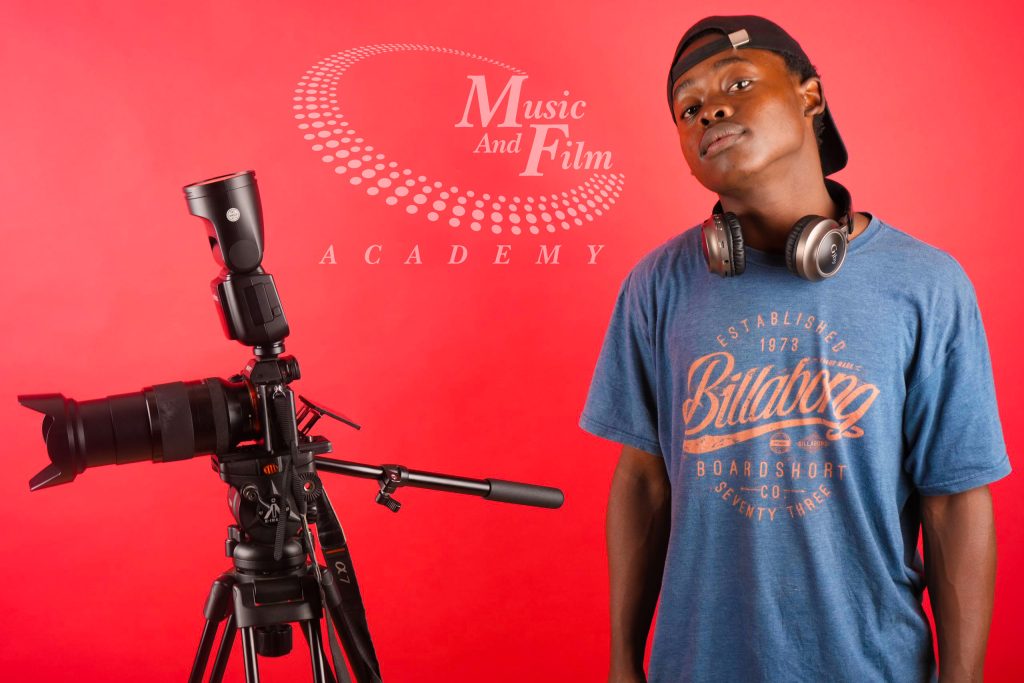
Students take manual control over high-power HMI systems, anamorphic lenses, full-frame sensors, and heavy-duty camera movement platforms.
- Advanced Cinema Sensors & Formats: Full-Frame Sensor Capture: Maximizing the visual traits of full-frame sensors to capture wide fields-of-view and shallow depths-of-field. Anamorphic Lens Mechanics: Deploying anamorphic lenses to capture unique oval bokeh patterns and blue lens flares. Raw 4K/60p Recording Pipelines: Configuring uncompressed data pipelines to record high-framerate raw video assets without artifacts. Perspective Lens Compression: Utilizing long focal length telephoto lenses to visually squeeze backgrounds closer to foreground actors. Modulation Transfer Function Testing: Evaluating lens sharpness and contrast limits across various lighting setups to select optimal optics.
- Advanced Set Lighting Infrastructure: Heavy-Duty Lighting Arrays: Running large high-power HMI, LED, and tungsten lights on set using portable power distribution systems. Overhead Lighting Grid Rigging: Mounting lights safely onto ceiling truss systems using safety chains and heavy-duty c-stands. Color Gelling Techniques: Using color correction and creative gels to mimic realistic streetlights, sunsets, or neon styles. High-Contrast Ratio Control: Measuring scene exposures with light meters to lock in exact lighting contrast balances. Green Screen Luminance Normalization: Illuminating backdrop screens evenly using wave monitors to ensure easy post-production keying.
- Complex Motion Manipulation: Heavy-Duty Dolly Systems: Laying straight physical track networks on set to execute perfectly smooth camera pushes. Jib Crane Elevation Sweeps: Operating balanced jib arms to capture sweeping vertical movements and dynamic overhead frames. Multi-Axis Tracking Stabilization: Configuring high-end vehicle camera rigs to capture fast, stable pursuit tracking shots. Creative Speed-Ramping Workflows: Coordinating on-set camera frame shifts to enable smooth speed-ramping edits in post-production. Wireless Focus Tracking Deployments: Setting up remote focus systems to pull sharp focus on actors moving fast across sets.
Term 4: Direction of Photography & On-Set Production Management
This module tackles multi-angle continuity, department head management, and real-time live video switching passes inside multi-camera television studio layouts.
- The Director-Cinematographer Dynamic: Text-to-Visual Translation: Converting script descriptions into unified visual themes and distinct color directions. Daily Shot Sheet Scheduling: Breaking director master shot lists into organized, efficient daily shooting orders. Camera Blockings Planning: Staging actor movements relative to camera tracks to maximize visual momentum. Aspect Ratio Selection Strategies: Picking deliberate spatial frame ratios (cinematic 2.39:1 widescreen vs streaming 16:9) to match project formats. Visual Mood Board Coordination: Sharing detailed lighting reference references with the gaffer team to lock in a consistent visual style.
- On-Set Production Control: Talent Movement Blocking: Directing actors’ positions on set to keep them aligned with pre-configured lighting and camera zones. Multi-Angle Scene Continuity: Reviewing costume details, prop positions, and performance speeds across setups to prevent editing bugs. Department Head Management: Coordinating communication between camera operators, gaffers, sound mixers, and production designers. Production Timeline Adherence: Monitoring shooting paces against the daily schedule to avoid costly venue and crew overtime costs. Emergency Set Troubleshooting: Resolving critical gear glitches or changing weather conditions on set without compromising script goals.
- Multi-Camera TV Studio Setups: Multi-Cam Position Mapping: Positioning multiple studio cameras across logical sectors to capture live talk shows or music performances. Broadcast Tracking Line Setups: Configuring matching tally setups and communications systems connecting operators to the control room. Live Video Switcher System Routing: Operating multi-input hardware switchers to cut angles live-to-tape with real-time transition drops. Live-to-Tape Graphics Insertion: Integrating lower-third graphics and stream overlays live into video outputs during recordings. Studio Technical Signal Testing: Calibrating video signals across separate cameras to ensure color and brightness match before broadcast.
Term 5: Production Audio Engineering & Field Recording Systems
Students master location sound capture, tuning multi-channel wireless mic arrays, managing boom poles, and timecode jam-syncing puck configurations.
- Multi-Channel Location Audio Tracking: Field Recorder Parameter Setup: Initializing multi-track field recorders to capture high-resolution audio files. Receiver Management Arrays: Tuning multi-channel wireless mic setups, selecting clear radio frequencies to block interference. Advanced Boom Pole Placement: Flying boom poles smoothly over actors’ heads, keeping microphones aimed at mouths while staying out of frame. Pristine Gain Staging Execution: Balancing input preamp levels to maximize signal strengths while leaving safety headroom against clipping. Dual-System Audio Management: Writing clean, matching file name notes on sound logs to match files easily with camera clips later.
- Timecode Jamming & Sync Protocols: Master Clock SMPTE Synchronization: Programming identical timecode hours across all camera sensors and field audio recorders. Wireless RF Jam-Sync Configurations: Deploying local transmitter pucks to automatically sync timecode data over wireless signals. Timecode Drift Resolution Frameworks: Checking timecode clocks across long shooting schedules to fix sub-frame sync drift issues. Metadata Field Integration Methods: Embedding scene labels, take numbers, and microphone info directly into BWF audio files. Automated XML Timeline Conforming: Importing timecode-locked folders into post software to build matched timelines instantly.
- On-Set Acoustics: Acoustic Environment Evaluations: Scanning recording sets to find and treat annoying echoes or background equipment rumbles. Room Reflection Suppression Tactics: Deploying temporary sound blankets and acoustic panels to dampen slapback echoes in small rooms. Signal-to-Noise Ratio Optimizations: Adjusting microphone positions to capture maximum voice clarity while minimizing background noise. Clothing Friction Noise Elimination: Using specialized medical tapes and mounting clips to isolate lapel mics from wardrobe layers. Wind Noise Abatement Systems: Fitting heavy fur windscreens and blimps onto shotgun microphones during outdoor shoots.
Term 6: Advanced Post-Production Editing & Narrative Architecture
This term is dedicated to large database session configurations, offline/online conformed rendering loops, and multi-cam angle collapsing procedures.
- Elite Non-Linear Editing Environments: Advanced Database Session Configuration: Building high-speed project databases inside finishing software to handle massive media folders easily. Data Management Frameworks: Organizing multi-drive storage pipelines to safely back up original camera RAW assets. Offline/Online Conforming Pipelines: Cutting with lightweight proxy files before conforming back to raw camera files for final grading. Macro-Narrative Assembly Mastery: Balancing structural pacing across feature-length timelines, managing focus across story acts. Trim Mode Tool Optimization: Operating advanced ripple, roll, slip, and slide trim modes to fine-tune edit cuts down to the frame.
- Advanced Visual Effects & Titling: Chroma Key Extraction Systems: Applying clean green screen keys, using advanced sampling adjustments to keep fine edge details. Color Spill Suppressor Controls: Cleaning up green light reflections on actors’ hair and wardrobe to ensure believable composites. Motion-Tracked Camera Graphics: Tracking text callouts and graphics onto moving elements within video scenes. Sophisticated Main Title Sequences: Designing custom vector title graphics animated with complex keyframes and speed curves. 3D Spatial Masking Implementations: Building visual masks around foreground elements to place text layers naturally behind objects.
- Automated Multicamera Assembly Workflows: Concert Footages Group Editing: Syncing dozens of different concert angles together using timecode links or matching audio curves. Panel Talk Show Switching Passes: Creating live switching templates to cut between wide multi-person shots and tight speaker close-ups during fast-paced discussions. Live-to-Tape Multi-Cam Adjustments: Trimming live switched studio clips on timelines to fix late cuts or bad angles easily. Multi-Cam Angle Collapsing Procedures: Flattening multi-cam tracks down to single video layers to speed up final rendering. Audio Track Isolation Techniques: Assigning separate speaker mics to dedicated audio tracks across multi-camera setups.
Term 7: Advanced Sound Design, Color Grading & Commercial Mastering
Students step into professional color diagnostics, secondary tracking masks, custom Foley artistry generation, and international loudness technical compliance.
- Cinematic Color Grading Masterclass: Technical Primary Color Correction: Using color wheels and contrast curves to create matching exposure baselines across shots. Targeted Secondary Tracking Windows: Drawing power windows around actors’ faces and tracking them to adjust skin tones independently. Sensor Balance Adjustments: Equalizing distinct look styles between different camera sensors to ensure visual continuity. Cinematic Color Palette Styling: Grading unique, stylized creative color schemes to support the emotional tone of film scenes. High-Dynamic Range Rendering Systems: Managing grading pipelines inside advanced color management setups to hit modern HDR monitor specs.
- Audio Post-Production & Mixing Elements: Automated Dialogue Replacement (ADR): Recording clean replacement dialogue lines inside dead dubbing booths, matching original actor mouth moves. Foley Sound Generation Systems: Recording realistic physical effects like footsteps or clothing shifts to restore scene texture. Immersive Surround Sound Panning: Positioning sound elements across the surround field to match physical onscreen movements. Vocal Carving Parametric Adjustments: Using equalizers to cut space in music tracks, ensuring dialogue stays clear and centered. Master Output Level Balancing: Running final brickwall limiters on output buses to deliver powerful mixes free of digital distortion.
- Broadcast & Streaming Technical Compliance: Loudness Standards Normalization: Measuring final sound mixes to hit exact target broadcast requirements (EBU R128 compliance parameters). True-Peak Limiter Restraints: Setting output ceilings at -1 dBTP to stop audio distortion when files compress into web formats. Digital Container Compression Profiles: Compiling video masters using professional broadcast formats like Apple ProRes 422 HQ or MXF wrappers. Closed-Caption File Formats: Generating and embedding synchronized text files (.srt and .vtt) into final movie file headers. Stereo-to-Mono Downmix Evaluations: Reviewing multi-channel sound mixes on small mono speakers to guarantee track balances translate cleanly.
Term 8: BTEC Capstone Project, Corporate Media Placement & Board Exams
The final term establishes industry readiness, combining professional field attachments with international portfolio checks and TVETA board licenses.
- Master Graduation Film Portfolio: Script Selection and Funding Pass: Writing, polishing, and securing project greenlights for broadcast-grade short films or commercials. Production Directing Executions: Managing casting, on-set crew directions, and physical film shoots as lead director. Post-Production Project Finishing: Completing full picture editing, color grading, sound mixing, and title integrations independently. Technical Project Journal Documentation: Writing comprehensive technical production logs tracking every creative and gear choice made. Screening Panel Project Defenses: Showcasing your finished capstone video before a review board of active media pros.
- External Media Industry Internship: Regional Broadcast Station Placements: Completing a competitive attachment within top-tier regional television or production networks. Commercial Ad House Tasks: Operating alongside live commercial crews, learning high-speed workflows on active corporate sets. Real-Time System Troubleshooting Assignments: Fixing signal line errors or lighting issues fast under real production pressures. Professional Studio Network Building: Building valuable career connections with active producers, directors, and station managers. Internship Activity Logs Validations: Compiling daily production task reports signed off by on-site supervising chief engineers.
- Pearson BTEC Portfolio Validation: Global Portfolio Index Organizing: Sorting all technical project folders to match specific international BTEC learning units. Technical Project Data Maintenance: Archiving original session timelines and raw assets to permit easy quality audits by verifiers. Vocational Performance Metrics Verification: Confirming all practical projects meet high global training benchmarks cleanly. Critical Project Outcome Assessments: Writing deep self-evaluations analyzing the technical execution of your capstone film. International Qualification Submissions: Finalizing your checked portfolio files to claim officially recognized global technical credentials.
💼 Career Paths & Industry Opportunities
Graduating with an advanced Diploma in Film Production positions you at the absolute tier of the audio-visual sector, unlocking immediate access to high-value roles across television networks, film studios, and commercial production firms:
1. Film Director / Television Showrunner
- The Role: Commanding the complete narrative blueprint and creative identity of feature films, commercial campaigns, or episodic television. You will manage actor blockings, lead technical pre-visualization passes, direct production crews, and coordinate fine cuts across post-production channels.
- Primary Industries: National television networks, feature film studios, creative design hubs, and corporate production conglomerates.
2. Director of Photography (DP / Chief Cinematographer)
- The Role: Serving as the technical head of visual design and execution on location. You will evaluate modulation transfer function boundaries, choose anamorphic or spherical optics packages, construct heavy-duty lighting structures, and manage camera operators and grips.
- Primary Industries: Commercial advertising agencies, international documentary teams, feature film sets, and media studios.
3. Broadcast Video Switcher / Technical Director
- The Role: Managing real-time live-to-tape production operations for major multi-camera setups. You will position studio cameras across sectores, manage broadcast tracking lines, mix inputs live using hardware switchers, and coordinate graphics insertion arrays.
- Primary Industries: Live sports channels, national news networks, live-streaming agencies, and public relations firms.
4. Senior Colorist / Digital Finishing Artist
- The Role: Operating as an expert-tier post-production visual engineer. Using your advanced knowledge of vectorscopes, secondary power windows, sensor balance variables, and high-dynamic range rendering environments, you will establish a beautiful, cohesive visual palette across timelines.
- Primary Industries: Premium post-production laboratories, cinematic finishing houses, and remote global freelancing collectives.
5. Unit Production Manager (UPM) / Line Producer
- The Role: Controlling the fundamental physical and economic infrastructure of heavy sets. You will manage top-sheet budgeting matrices, oversee talent union limits, coordinate crew deal memos, and secure equipment marine insurance policies to ensure risk-free shoots.
- Primary Industries: International media houses, film production sets, and corporate marketing departments.
📋 Course Eligibility & Admission Thresholds
To enforce our technical 1-to-1 workstation boundaries and guarantee absolute runtime with premium equipment packages, all applicants must satisfy the following baseline metrics:
1. Primary Academic Qualifications
- KCSE Candidates: A minimum mean grade of C- (Minus) or above in the Kenya Certificate of Secondary Education (KCSE).
- TVETA Technical Progression Track: A valid Craft Certificate in TV & Film Production (KNQF Level 5) or a matching Certificate in Video Editing from an accredited TVETA-registered institution.
- Alternative Industry Pathway: Practicing videographers, self-taught cinematographers, or broadcast operators without formal papers may apply via the Recognition of Prior Learning (RPL) framework by submitting an active video portfolio link for screening.
2. Specialized Subject Recommendations & Rig Benchmarks
- STEM Foundation: Due to the technical formulas used in calculating lens perspective compression ratios, electrical load balancing for continuous light grids, and SMPTE timecode phase calculations, prior performance or credits in Physics or Mathematics is highly advantageous.
- SSD Storage Requirements: The academy provides access to professional dual-monitor finishing bays and full cinema cameras on set. However, to handle massive uncompressed RAW 4K workflows during the post-production phases, diploma students must own an external solid-state drive (SSD) with a minimum capacity of 1TB and a read/write velocity of 1050MB/s or higher.
3. Essential Enrollment Documentation Checklist
Trainees cleared for advanced processing must submit the following assets to the registrar’s office at Information House, Nairobi CBD:
- A fully completed Music And Film Academy Diploma Enrollment Form.
- Certified copies of your KCSE Certificate transcripts or previous KNQF Level 5 media documents.
- A copy of your National ID Card or valid international Passport.
- Two recent, clear passport-sized color photos for the student visual arts registry.
- An official payment receipt confirming the initial term’s tuition fees (KES 39,000).
❓ Frequently Asked Questions
Which specialized camera formats and cinema systems will I master in this diploma?
This advanced path targets full-frame cinema sensors and high-payload systems. You will build comprehensive operational command across enterprise hardware networks, configuring raw uncompressed 4K pipelines, remote focus systems, and motorized vehicle pursuit tracking mounts.
What is the advantage of the dual local and international credentials?
The Music and Film Academy integrates internationally recognized Pearson BTEC assessment frameworks alongside TVETA compliance markers. Your finished capstone films, system design blueprints, and production logs will be audited by visiting external verifiers, granting you standard credentials that open up global career placements and advanced degree pathways.
How does this program manage keyword cannibalization with certificate options?
While our visual arts department offers foundational tracks, this page is engineered strictly as a deep landing space for the 2-year Diploma in Film Production. By optimizing this content around complex advanced topics—such as anamorphic optics physics, timecode drift tracking, and chroma key extraction systems—we ensure its search engine footprint remains clean and distinct from certificate directories.